Expert HOA Reserve Study Services by Criterium-Hardy Engineers

HOA Reserve Study Services

What Is an HOA Reserve Study?
Download a Sample Reserve Study

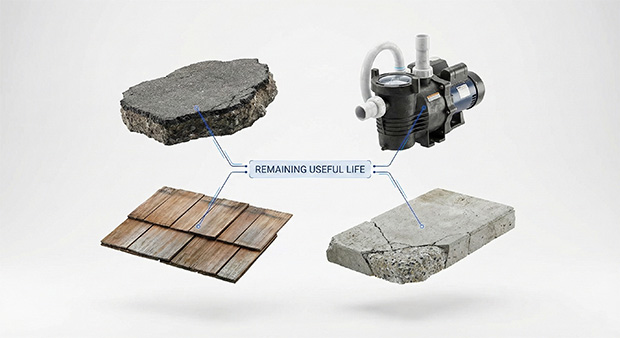
A reserve study is a comprehensive engineering and financial analysis that evaluates the condition, remaining useful life, and projected replacement costs of an HOA’s common-area assets. The study produces a long-term capital plan and funding strategy that helps boards budget responsibly, maintain property value, and meet their fiduciary obligations.

Criterium-Hardy Engineers provides reserve studies grounded in engineering accuracy, detailed field assessments, and data-driven capital planning models.

REQUEST RESERVE STUDY

Who Needs an HOA Reserve Study?

Reserve studies are essential for:

  • Homeowners associations (HOAs)

  • Condominium associations

  • Planned communities and multi-building developments

  • Cooperatives

  • Master associations

Any community responsible for shared infrastructure—roofs, siding, pavement, drainage systems, mechanical systems, or amenities—needs a disciplined, engineering-based reserve plan.

Why Reserve Studies Matter

A professionally prepared reserve study supports:

  • Long-term capital planning and predictable budgeting

  • Reduction of unexpected special assessments

  • Accurate evaluation of infrastructure condition

  • Compliance with state reserve requirements and lending guidelines

  • Protection of property values for all homeowners

A credible reserve study also strengthens communication between the board and residents by showing a transparent, well-supported financial plan.

When a Reserve Study Is Used

Associations typically engage a reserve study when:

  • Establishing or updating long-term budgets

  • Preparing annual assessments or capital improvement plans

  • Experiencing facility aging or infrastructure concerns

  • Meeting lender, insurer, or statutory requirements

  • Planning for major replacements or renovations

Most states—and industry best practices—recommend updating the reserve study every 3–5 years, with the funding plan reviewed annually.

Benefits of a Professional HOA Reserve Study

  • Engineer-verified component inventory and condition analysis

  • Accurate remaining useful life (RUL) projections

  • Transparent, defensible cost estimates

  • Tailored funding models (baseline, threshold, full funding)

  • Improved board decision-making and homeowner confidence

  • Reduced risk of unexpected capital expenses

REQUEST RESERVE STUDY

Our HOA Reserve Study Process

Criterium-Hardy Engineers delivers reserve studies built to engineering standards using a clear, methodical workflow:

1. Component Inventory

We identify and document all common-area components, including structural systems, building envelopes, site elements, mechanical equipment, and amenities.

2. Physical Condition Assessment

Licensed engineers conduct on-site evaluations to determine current condition, deficiencies, and remaining useful life.
(Consider adding imagery: “engineer onsite inspecting building envelope – alt text: engineer performing HOA reserve study inspection.”)

3. Replacement Cost Analysis

We develop realistic cost estimates based on historical data, industry benchmarks, and regional construction pricing.

4. Funding Plan Modeling

We prepare multiple funding scenarios that align with the association’s goals and fiduciary responsibilities.

5. Deliverables & Presentation

Your board receives a detailed reserve report, capital timeline, and recommended funding strategy. We can also present findings at board or annual meetings.
Natural internal link opportunity: link to a page such as building envelope evaluations, structural engineering services, or property condition assessments, if these pages exist or will be created.

Work With Criterium-Hardy Engineers

Our team has decades of experience supporting HOAs and condominium associations with building evaluations, long-term maintenance planning, and capital reserve analysis.
Contact us to schedule a reserve study or request a proposal tailored to your association’s needs.

REQUEST RESERVE STUDY

Work With Criterium-Hardy Engineers

Our team has decades of experience supporting HOAs and condominium associations with building evaluations, long-term maintenance planning, and capital reserve analysis.
Contact us to schedule a reserve study or request a proposal tailored to your association’s needs.

REQUEST RESERVE STUDY
What is included in an HOA reserve study?

A reserve study includes a component inventory, onsite condition assessment, remaining useful life estimates, replacement cost projections, and a long-term funding plan for major common-area systems.

How often should an HOA update its reserve study?

Most associations update a reserve study every 3–5 years, with annual reviews of the funding plan to ensure accuracy as conditions and costs change.

Why do HOAs need a professional engineer for a reserve study?

Engineers provide technical accuracy in assessing infrastructure, evaluating component lifespan, and determining realistic replacement costs—all critical for a reliable reserve funding plan.

How much does an HOA reserve study cost?

Costs vary depending on property size, number of components, and study level. A proposal is typically based on scope, onsite time, and reporting requirements.

What is the difference between a reserve study and a property condition assessment?

A property condition assessment focuses on identifying building deficiencies, while a reserve study forecasts long-term capital repair and replacement costs for common-area assets.

Do lenders require reserve studies for condominium associations?

Many lenders and insurers review reserve adequacy as part of risk evaluation, and having an up-to-date reserve study can support financing and compliance.

Can a reserve study help prevent special assessments?

A well-funded reserve plan minimizes financial surprises and reduces the likelihood of sudden special assessments to cover major replacements.

What funding models are used in a reserve study?

Common models include baseline funding, full funding, and threshold funding, each providing different levels of financial security for the association.