
Managing a capital budget and expenditures for a community association involves greater responsibility and risk than it does for one’s own home – the key is construction specifications. This article addresses some of those differences and ways to control the process to assure a positive outcome and it starts with construction specifications.
As homeowners, when there is a major capital expenditure, like a new roof, we call a few contractors to get some competitive bids. Then, we ask a few questions, maybe check some references, and hire the contractor with the lowest cost that we feel will meet our needs.
As board members or managers of community associations, however, the jobs are larger and the money involved is far greater. This also means that the risks and potential liability are increased as well.
For example, the simple task of obtaining competitive bids can result in quotes that are widely divergent. Because costs are greater, the variation can be significant. Criterium Engineers has often been called by property managers to help explain why contractor bids are so far apart. The answer most often is that the quotes are not truly comparable. In other words, it’s not apples to apples. In order to compare bids, we require detailed construction specifications, without them a project is likely going to fall off track and budget.
Roof replacement is one good example. Different contractors may choose different materials. One may remove the old roof; another may not. One may include costs for permits, disposal, and cleanup; another may not.
The way to get comparable bids is through a specifications process. It is also the way to get a job that meets your needs and perhaps considers money-saving alternatives. A specification prepared by a licensed Professional Engineer is almost certain to include elements that you may never have thought of and ultimately protect your interests as a manager, board member, and as an owner.
What are Construction Specifications?
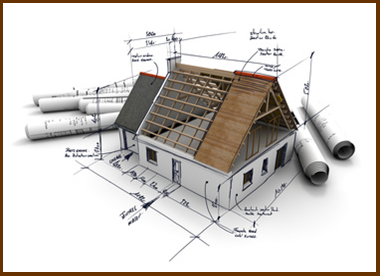
Construction Specifications are a set of documents that define the scope of the job and the expectations for the contractor. Among other things, it generally includes:
Drawings that illustrate construction details
Documentation of:
All things that must be covered by the quote
The manner and format in which the quote is to be provided
Methods and materials to be employed (see below)
Conditions under which the work is to be performed (e.g., not before 8AM or after 6PM)
Required insurances
Form of agreement to be used
Warranties to be provided
Responsibilities of the association vs. the contractor
Procedures for effecting changes
Construction schedule
Terms of payment
Site conditions that must be maintained before, during, and after the work is complete
Standards and regulations that may govern the work
There are two types of construction specifications, generally referred to as Performance Specs and Prescriptive Specs. In a Performance Specification, the engineer lays out the expectations for the job, that is, how the systems and materials are to perform now and over time, leaving it to the contractor to identify those systems, materials, and method of installation to accomplish the objectives of the specification. For example, a Performance Specification for a roof could be as theoretical as that it must keep the rain out under all conditions and must last 20 years. In more practical terms, the specification may state the type of roof (e.g., EPDM) but decline to name the manufacturer, method of adherence, etc.
A Prescriptive Specification, as the name implies, lays out much more specifically how the job is to be done, what materials are to be used, and the manner in which they are to be installed. For example, a Prescriptive Specification for a roof would most likely list the type AND manufacturer, all details and methods of fastening, etc.
Engineers generally rely on a variety of standard specifications from entities such as the Construction Specifications Institute (CSI) and MasterSpec (AIA). These documents serve as a framework, providing boilerplate and standard clauses, but a true and good specification starts with a field visit to observe actual conditions, and then continues with research to select the right approach.
Value Engineering and Construction Specifications
Developing a specification is the perfect time to consider alternative approaches for the repair or replacement of key systems. Sometimes, a new approach can result in cost savings over the original design. At other times, a different approach may result in greater durability or reliability, thereby reducing costs over time, even though the initial outlay may be more expensive now. Value is the relationship between cost and benefit. Value Engineering, when properly done, is more specifically about the relationship between cost and function. It is generally a “like for like” substitution that generates a cost savings, either initially or operationally, without sacrificing function, intent, or performance of the original design. When developing a specification, the engineer can either perform the Value Engineering himself (Prescriptive Specification) or ask the contractor to propose alternatives (Performance Specification). Either way, the association wins. Liability for the Board and Property Manager
One of the key differences between owning your own home and sitting on a board representing a group of owners is that you now have a fiduciary responsibility to those owners.
While most board members would not think of awarding a contract to someone just because he was a friend, it can be just as risky to hire any contractor if proper care in the selection has not been exercised. The engineer that developed the specification is also able to assist with pre-bid meetings, contractor selection, and kick-off meetings.
To illustrate how serious this can become, we were recently subpoenaed to produce documents in a case that involved shoddy work by a contractor. While the contractor is the key defendant, so are previous board members and the property manager. Being able to demonstrate that contractor selection followed an industry-accepted, professional, and objective procedure is your best defense in such a case.
Conclusion
Developing a specification for any significant capital expenditure is the best way to ensure comparability of contractor bids, a quality job, and avoid exposure to liability. The best part is, it may actually save money on the overall job. Specifications are developed by engineers or architects who are familiar with the design and installation of building systems. If chosen properly, that person could well be the same engineer who originally developed your reserve study and is familiar with your specific property. We would also strongly recommend hiring that same engineer to monitor the actual construction, repair, or replacement to ensure compliance with the specification. That’s why a local, experienced engineer is the best choice “For the Life of Your Association.”
homeowner association, reserve study, budget, board of directors, law, condominium, insurance, property, asset, management, roof, inspection, state, hoa management, reserve study company, reserve fund, financial analysis, maintenance, community associations institute, organization, legislation, inventory, data, construction, engineer, inflation, audit, revenue, real estate, company, software, cost, cash, cash flow, security, community, hoa reserve studies, study, community associations, reserves, special, reserve studies, consent, hoa, hoa reserve study, funding, reserve, board, studies, hoa reserves, accounting, experience, accessibility, commercial property, investment, due diligence, regulatory compliance, phase i environmental site assessment, asset management, renovation, building envelope, diligence, expert, fannie mae, freddie mac, project management, services, request, commercial, condition report, loan, lease, elevator, sustainability, energy, zoning, negotiation, communication, deferred maintenance, confidence, procurement, lighting, building code, facility condition assessment, natural disaster, environmental, life safety, due diligence process, environmental compliance, systems, report, facility condition assessments, reports, building, property condition assessments, assessments, assessment, environmental site assessment, property condition report, pcas, pca, commercial building, life safety systems, forensic engineering, retail, understanding, valuation, leed, white paper, real estate transaction, risk assessment, environmental health, expense, finance, hoa management company, community association management, operating fund, rule of thumb, tax, emergency, transparency, sidewalk, fund, funds, community association, property management, financial, hoas, hoa reserve fund, planning, hoa board member, funded, board member, hoa board, hoa board members, reserve study for condo association, hoa reserve study cost, homeowners association reserve study, homeowners association reserve fund, homeowners association reserves, hoa reserve, hoa reserve funds, hoa reserve account
Frequently Asked Questions
Why does my HOA need a reserve study?
The necessity of a reserve study for your HOA lies in its ability to assess and plan for future maintenance and repair costs. This ensures financial stability and helps avoid unexpected special assessments for homeowners.
What does an HOA reserve study company do for the association?
An HOA reserve study company provides essential services to the association by assessing the current condition of common property assets, estimating future repair and replacement costs, and developing a funding plan to ensure financial stability for ongoing maintenance and improvements.
How often should an HOA do a reserve study in Florida?
HOAs in Florida should conduct a reserve study at least every three to five years. This ensures that the association accurately assesses its financial needs for future repairs and replacements, maintaining the property's value and integrity.
What is a reserve study for an HOA?
A reserve study for an HOA is a financial planning tool that assesses the community's long-term repair and replacement needs, helping to determine appropriate reserve funds to ensure the maintenance and sustainability of shared assets.
How to read an HOA reserve study?
Reading an HOA reserve study involves understanding the financial projections for future repairs and replacements of common property elements. Focus on the funding plan, projected expenditures, and the current reserve balance to assess the community's financial health.
How to calculate HOA reserve fund?
Calculating the HOA reserve fund involves estimating the total costs for future repairs and replacements of common area components, then dividing that figure by the expected lifespan of those components to determine annual contributions needed.
Why do HOAs need reserve accounts?
HOAs need reserve accounts to ensure they have sufficient funds for future repairs and maintenance of common areas, preventing financial strain on members and ensuring the community remains well-maintained and attractive.
How often should an HOA do a reserve study?
An HOA should conduct a reserve study every three to five years. This ensures that the association has an accurate assessment of its long-term financial needs for maintenance and replacement of common property assets.
How often does an HOA need to do a reserve study?
HOAs typically need to conduct a reserve study every three to five years. This frequency ensures that the association accurately assesses its financial needs for future repairs and replacements, maintaining the community's property values and overall integrity.
What can HOA reserve funds be used for?
HOA reserve funds can be used for major repairs and replacements of common elements, such as roofs, pools, and landscaping, as well as for unexpected expenses to ensure the community's long-term financial stability.
What is a healthy HOA reserve?
A healthy HOA reserve is a fund that is adequately funded to cover future maintenance, repairs, and replacements of common property elements, typically amounting to 10-30% of the total budget, ensuring financial stability for the community.
What factors influence HOA reserve study frequency?
The factors that influence HOA reserve study frequency include the age and condition of the property, changes in maintenance costs, significant repairs or improvements, and state regulations or requirements. These elements help determine how often a reserve study should be conducted to ensure financial stability.
How is an HOA reserve fund calculated?
The calculation of an HOA reserve fund involves estimating the future repair and replacement costs of common property elements, assessing their useful life, and determining the appropriate funding level to ensure financial stability for the community.
What are common expenses in HOA reserves?
Common expenses in HOA reserves include maintenance and repair of common areas, landscaping, insurance, and replacement of major components like roofs and elevators. These costs ensure the community remains well-maintained and financially stable.
How can an HOA improve its reserve fund?
An HOA can improve its reserve fund by conducting regular assessments of property needs, establishing a clear funding plan, and increasing contributions from homeowners to ensure adequate savings for future repairs and replacements.
What is the purpose of an HOA reserve study?
The purpose of an HOA reserve study is to assess the long-term financial health of a homeowners association by evaluating the condition of common property elements and determining the necessary funding for future repairs and replacements.
How do reserve studies benefit HOA members?
The benefits of reserve studies for HOA members are significant. They provide a comprehensive assessment of community assets, helping to ensure adequate funding for future repairs and maintenance, ultimately promoting financial stability and preserving property values.
What should be included in a reserve study?
A reserve study should include an inventory of the community's major components, their condition assessments, estimated remaining useful life, replacement costs, and a funding plan to ensure adequate reserves for future repairs and replacements.
How often should reserve studies be updated?
Reserve studies should be updated every three to five years or whenever significant changes occur in the property, such as major repairs or alterations, to ensure accurate financial planning and maintenance assessments.
What are the consequences of inadequate reserves?
The consequences of inadequate reserves can lead to financial strain on property owners, resulting in insufficient funds for necessary repairs, increased special assessments, and potential declines in property value.
How do reserve studies impact HOA budgeting?
Reserve studies significantly impact HOA budgeting by providing a detailed assessment of future repair and replacement costs. This enables HOAs to allocate appropriate funds, ensuring financial stability and preventing unexpected expenses.
What is the role of a reserve study company?
The role of a reserve study company is to evaluate and analyze a property's long-term maintenance needs and financial planning. They provide detailed reports that help homeowners associations and property managers allocate funds for future repairs and replacements effectively.
How can an HOA assess its reserve needs?
An HOA can assess its reserve needs by conducting a comprehensive reserve study, which evaluates the current condition of assets, estimates future repair and replacement costs, and determines the appropriate funding level to maintain those assets effectively.
What is the difference between reserves and operating funds?
The difference between reserves and operating funds is that reserves are designated for future capital expenditures or emergencies, while operating funds are used for day-to-day expenses and regular maintenance of the property.
How do reserve studies affect property values?
Reserve studies significantly influence property values by providing a clear assessment of a property's future maintenance and repair needs. This transparency assures potential buyers that the property is well-managed, ultimately enhancing its marketability and value.
What guidelines exist for HOA reserve studies?
Guidelines for HOA reserve studies include following industry standards, such as the National Association of Realtors (NAR) recommendations, ensuring accurate assessments of property components, and conducting regular updates to reflect changes in property conditions and financial needs.
How can technology assist in reserve studies?
Technology enhances reserve studies by streamlining data collection, analysis, and reporting processes. It enables accurate forecasting of future repair and replacement costs, ensuring informed decision-making for property managers and homeowners associations.
What are the best practices for reserve funding?
The best practices for reserve funding include regularly assessing and updating funding needs, establishing a clear funding goal based on a reserve study, and consistently contributing to the reserve fund to ensure adequate resources for future maintenance and repairs.
How do state laws affect HOA reserves?
State laws significantly impact HOA reserves by establishing requirements for reserve funding, maintenance, and reporting. These regulations ensure that associations maintain adequate financial resources for future repairs and replacements, promoting fiscal responsibility and property value preservation.
What challenges do HOAs face with reserve studies?
The challenges HOAs face with reserve studies include accurately assessing property needs, ensuring adequate funding for future repairs, and navigating member expectations. These factors can complicate the planning and budgeting process essential for maintaining community assets.
criterium engineers, structural engineer st louis, structural engineer report near me, hoa engineering report, structural engineer inspector near me
Criterium-Hardy Engineers: Your Trusted Engineering Consultants
At Criterium-Hardy Engineers, we specialize in providing high-quality engineering consulting services tailored to meet the unique needs of homeowners associations, residential properties, and commercial entities. Our expertise covers a wide range of services, including reserve studies, property condition assessments, and structural evaluations, ensuring that our clients receive comprehensive solutions for their engineering challenges.
Founded in 1986, our team of licensed professional engineers brings over 30 years of experience to the table. We pride ourselves on our commitment to quality, reliability, and client satisfaction, making us a preferred choice for engineering consulting in Missouri and Illinois.
Comprehensive Engineering Services
Criterium-Hardy Engineers offers a diverse array of engineering services designed to address the specific needs of various clients. From HOA reserve studies that help associations plan for future expenses to detailed property condition assessments that provide insights into the state of commercial buildings, our services are tailored to ensure that clients make informed decisions regarding their properties.
Our engineering services also include structural evaluations, feasibility studies, and project management, all conducted by experienced professionals. By leveraging our knowledge and expertise, we help clients navigate complex engineering issues and achieve their goals efficiently and effectively.
Why Choose Criterium-Hardy Engineers?
Choosing Criterium-Hardy Engineers means opting for a team that prioritizes your needs and delivers results. Our engineers are not only licensed professionals but also certified inspectors and LEED accredited professionals, ensuring that we adhere to the highest industry standards in all our projects. Our reputation for thoroughness and reliability sets us apart in the engineering consulting field.
We understand that every project is unique, which is why we take the time to listen to our clients and tailor our services accordingly. Our commitment to providing fast, reliable service ensures that you receive the support you need, when you need it, making us the go-to choice for engineering consulting in your area.
Client-Centric Approach
At Criterium-Hardy Engineers, we place a strong emphasis on client satisfaction. Our approach is centered around understanding your specific requirements and delivering customized solutions that exceed your expectations. We believe that open communication and transparency are key to fostering successful client relationships.
Our testimonials reflect our dedication to service excellence and the trust our clients place in us. By focusing on your needs and maintaining high standards throughout our process, we ensure that you receive the best possible outcomes for your engineering projects.
How to Request Our Services
Requesting services from Criterium-Hardy Engineers is a straightforward process designed to save you time and effort. Whether you need a reserve study, property condition assessment, or any other engineering service, our user-friendly interface allows you to easily submit your request online. Simply fill out the service request form, and our team will get back to you promptly.
Additionally, we offer options for clients to pay invoices online, simplifying the transaction process. Our goal is to make your experience as seamless as possible, allowing you to focus on your property while we handle the engineering details.